
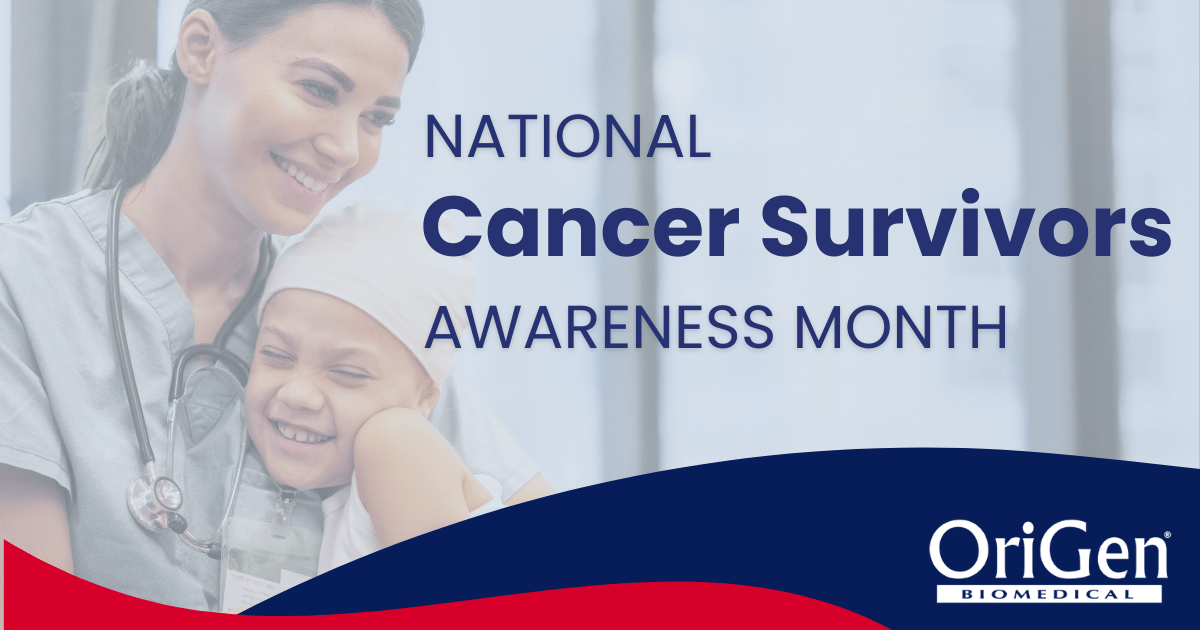
Observed each June, National Cancer Survivors Month recognizes the millions of individuals living with, through, and beyond cancer while highlighting the continued advancements shaping cancer care and survivorship. As improvements in early detection, treatment, and supportive care continue to expand, more people are living longer after a cancer diagnosis, creating new opportunities to focus on long-term health, quality of life, and survivorship outcomes.[1]
Why Survivorship Awareness Matters
As the global cancer survivor population continues to grow, National Cancer Survivors Month serves as an important reminder that survivorship extends far beyond treatment alone. Greater awareness of survivorship challenges has driven new research aimed at improving long-term health outcomes and quality of life for survivors.[3]
Survivorship awareness also encourages more open conversations about the realities of life after cancer. Feelings of uncertainty, fear of recurrence, and difficulty returning to everyday routines remain common experiences for many survivors. By bringing these challenges into public discussion, awareness efforts help reduce stigma, foster understanding, and promote access to supportive resources and care.
Together, these efforts contribute to a future where survivors are not only living longer but also receiving the support needed to thrive after a cancer diagnosis.
How Research Is Advancing Survivorship
Scientific innovation has transformed the way many cancers are diagnosed, treated, and managed. Researchers are continually exploring new approaches to improve treatment effectiveness while reducing long-term side effects. Advancements in areas such as CAR T-cell therapy, targeted therapies, precision medicine, and next-generation immunotherapies are helping create more personalized treatment options that can improve patient outcomes and quality of life. [4]
Scientists and researchers are also continuing to investigate the long-term physical, emotional, and social effects of cancer and its treatments, generating insights that help guide follow-up care, symptom management, rehabilitation, and supportive services. These discoveries are helping healthcare providers better understand the needs of survivors and develop strategies that support long-term health and well-being.
Ways to Support Cancer Survivors
National Cancer Survivors Month also highlights the vital role that caregivers, healthcare professionals, patient advocates, and community organizations play in supporting survivors throughout their journeys. While treatment may end, survivorship often involves ongoing care, education, and access to resources that help individuals navigate life after cancer.
Support can take many forms, from raising awareness and promoting education to helping survivors connect with valuable services and support networks. Individuals and organizations can make a meaningful impact by:
- Learning about survivorship challenges and available resources through organizations such as the American Cancer Society
- Participating in awareness events and community programs that recognize survivors and promote education, including initiatives supported by the National Cancer Survivors Day Foundation
- Supporting organizations that advance patient services, advocacy, and research through donations, fundraising efforts, or volunteer opportunities.
- Offering encouragement and practical assistance to survivors and caregivers through regular check-ins, help with daily responsibilities, or simply providing a listening ear.
By fostering greater understanding, compassion, and engagement, these efforts help strengthen the support systems available to cancer survivors and their families while promoting more supportive and informed communities.[3]
Honoring Survivors and Looking Ahead
National Cancer Survivors Month is both a celebration of resilience and a reflection on the progress that continues to shape the future of cancer care. Ongoing investments in research, innovation, and survivorship programs are helping improve outcomes while advancing a more comprehensive approach to patient care.
As scientific understanding continues to evolve, the healthcare community remains focused on supporting survivors not only during treatment, but throughout every stage of life after cancer. This June, we recognize the strength of cancer survivors everywhere while reaffirming the importance of continued progress in survivorship care, research, and support.[2]